Emirati Food Guide: 15 Traditional Dishes to Try in Dubai
Emirati food guide: 15 traditional dishes to try in Dubai, from machboos and harees to luqaimat, plus where to eat them, cultural meals and dining etiquette.
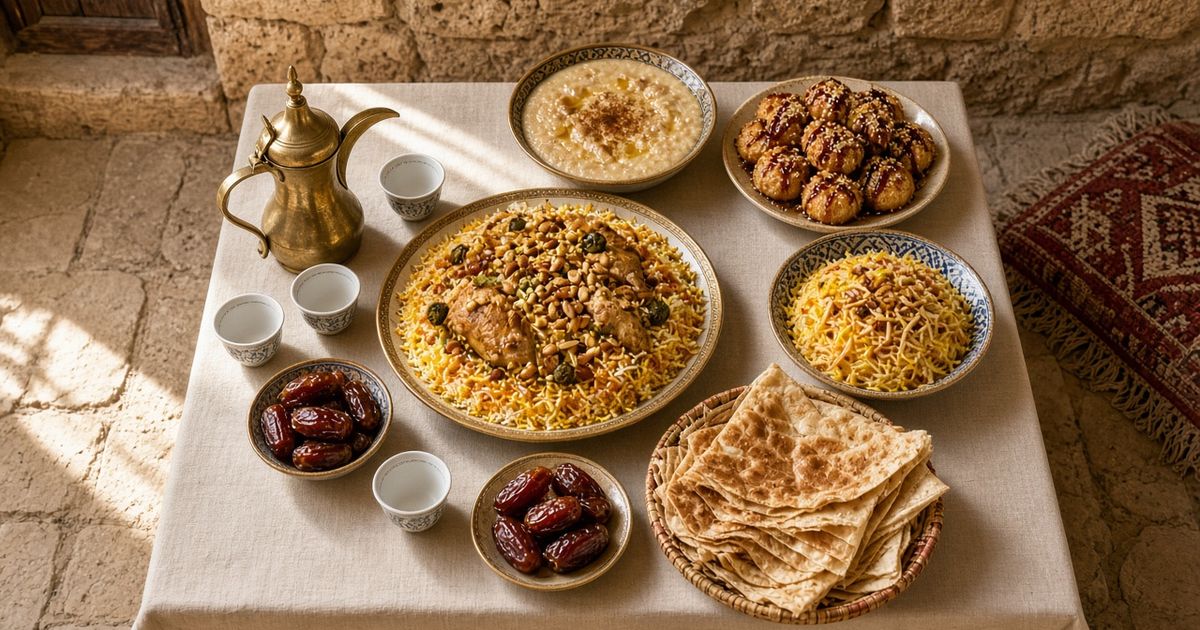
Dubai has restaurants from almost every country on earth, and that makes it surprisingly easy to visit without tasting a single Emirati dish. That would be a shame. The food of the UAE grew out of the desert, the date palm oasis and the sea, and it tells the story of a trading coast that was linked to India, Persia and East Africa long before oil. Think fragrant rice with dried lime, slow-cooked wheat and meat, flatbreads as thin as paper and sweet dumplings soaked in date syrup. This Emirati food guide explains 15 traditional dishes and drinks to look for, where to eat them in Dubai, how a cultural meal works and the etiquette that makes the experience feel special.
What makes Emirati food different?
Traditional Emirati cooking was shaped by what people could grow, catch or carry. Bedouin families in the desert relied on dates, camel milk, bread and the occasional goat or camel for special occasions. Coastal communities lived on fish, from kingfish and hamour to small dried sardines. Oasis towns such as Al Ain and Liwa grew dates, and pearl divers and traders brought home rice, spices and new ideas from across the Indian Ocean.
The result is a cuisine that feels familiar but different. You'll recognise links to Indian biryani, Persian rice dishes and Levantine breads, but the flavours are distinctly Gulf. Loomi, limes dried in the sun until they turn black, gives stews and rice a tangy, smoky edge. Bezar is the Emirati spice mix, usually built on cumin, coriander, turmeric, cinnamon and black pepper. Saffron, cardamom and rosewater perfume sweets and coffee, while dates and date syrup (dibs) are used as sweeteners.
Much of this food is still cooked mainly at home, which is why it can be hard to find. If you want to understand the hospitality behind it, our guide to Bedouin culture on a desert safari covers the coffee rituals and majlis traditions in more detail.
15 traditional Emirati dishes to try
Savoury dishes
1. Machboos (majboos). The dish most people think of as the UAE's national meal. Rice is cooked in a rich broth with chicken, lamb or fish, onions, tomatoes, loomi and bezar, then served in a large shared platter with the meat on top. Fish machboos is a coastal favourite.
2. Harees. Wheat and meat (usually chicken or lamb) slow-cooked for hours, then beaten until smooth, almost like a savoury porridge. It's seasoned simply with salt and often finished with ghee. Harees is a fixture at weddings, Eid and Ramadan iftars.
3. Thareed. Sometimes called the Emirati lasagne. Layers of thin regag bread are soaked in a vegetable and meat stew, usually lamb or chicken. It's a classic dish during Ramadan.
4. Saloona. A comforting everyday stew of meat, fish or vegetables in a tomato-based sauce with bezar and loomi, eaten with rice or bread. Every family has its own version.
5. Madrooba. Similar to harees but made with salted fish or chicken and flour or rice, cooked until thick and creamy. Salted-fish madrooba is a taste of the old coastal diet.
6. Ouzi (khouzi). The feast dish. A whole lamb or a large cut is slow-roasted and served on a mountain of spiced rice with nuts and raisins. You'll see it at weddings and big celebrations, and on many heritage restaurant menus as a dish for sharing.
7. Jasheed. Minced shark meat cooked with onions, garlic and spices and served with rice. It's an old coastal dish, still found in some Emirati restaurants.
Breads and breakfast
8. Regag. A paper-thin, crispy flatbread cooked on a hot domed griddle. It's usually served with cheese, egg or a drizzle of honey, and it's great fun to watch being made at heritage festivals and food stalls.
9. Khameer and chebab. Khameer is a soft, slightly sweet bread flavoured with dates or saffron and often topped with sesame. Chebab are yeasty Emirati pancakes scented with cardamom and saffron, served with date syrup and cream cheese.
10. Balaleet. A traditional breakfast that surprises visitors: sweet vermicelli noodles flavoured with saffron, cardamom and rosewater, topped with a thin savoury omelette. Sweet and salty together, and very good.
Sweets and drinks
11. Luqaimat. Crispy, golden fried dough balls with a soft centre, drizzled with date syrup and sometimes sesame seeds. The name means "small bites", and they're almost impossible to stop eating.
12. Khanfaroosh. Small, cake-like fritters flavoured with saffron, cardamom and rosewater. Often served with coffee at celebrations.
13. Aseeda. A smooth, thick pudding of flour, sugar or dates, ghee and spices. There's also a pumpkin version called aseedat bobar.
14. Gahwa (Arabic coffee). Lightly roasted coffee brewed with cardamom, sometimes saffron, and poured from a brass dallah into small handle-less cups called finjan. It's always served with dates. Arabic coffee, as practised in the UAE, Saudi Arabia, Oman and Qatar, is inscribed on UNESCO's list of the intangible cultural heritage of humanity.
15. Dates and camel milk. Dates are at the heart of Emirati hospitality, and the UAE grows many varieties, from soft khalas to khenaizi. Camel milk, the Bedouin staple, is now sold fresh, as chocolate and even as ice cream in Dubai's supermarkets and souks.
| Dish | Type | What it is | When it's eaten |
|---|---|---|---|
| Machboos | Main | Spiced rice with chicken, lamb or fish | Everyday, family meals |
| Harees | Main | Slow-cooked wheat and meat | Weddings, Eid, Ramadan |
| Thareed | Main | Regag bread soaked in meat stew | Ramadan, family meals |
| Ouzi | Main | Slow-roasted lamb on spiced rice | Celebrations |
| Regag | Bread | Paper-thin crispy flatbread | Breakfast, snacks |
| Balaleet | Breakfast | Sweet vermicelli with omelette | Breakfast, Eid |
| Luqaimat | Sweet | Fried dumplings with date syrup | Any time, Ramadan |
| Gahwa | Drink | Cardamom coffee with dates | Every welcome |
Where to eat Emirati food in Dubai
Emirati restaurants are fewer than you might expect, but the best are excellent. Opening hours below are from each restaurant's website in November 2026 and can change on public holidays and during Ramadan.
Al Khayma Heritage Restaurant, Al Fahidi
Set in a restored house in the Al Fahidi Historical Neighbourhood, Al Khayma is the only Emirati restaurant on the MICHELIN Guide Dubai's Bib Gourmand list, and in 2025 it also received the guide's Service Award. According to the restaurant, its menu was shaped with the help of 15 Emirati women and their family recipes. Order machboos, ouzi or harees, and save room for luqaimat. It's an easy stop while exploring Old Dubai, Al Fahidi and the souks.
Al Fanar Restaurant & Cafe
Al Fanar recreates the look of old Dubai and serves a long menu of Emirati classics. It has three Dubai branches: Dubai Festival City Mall (Ground Floor, Canal Walk, 9am to 10pm daily), a seafood-focused branch at Al Seef on Dubai Creek (1pm to 10:30pm daily, MICHELIN-selected in 2026) and Al Barsha Pond Park. It's a relaxed choice for families.
Arabian Tea House, Al Fahidi
The original Arabian Tea House sits on Al Fahidi Street in Bastakiya and has been serving Emirati food since 1997. Its shady courtyard is a lovely spot for an Emirati breakfast with balaleet, chebab and regag, or for karak tea and luqaimat in the afternoon. It's open daily from 7am to 11pm.
Cultural meals at the Sheikh Mohammed Centre for Cultural Understanding
If you want to understand what you're eating, this is the best experience in the city. The Sheikh Mohammed bin Rashid Al Maktoum Centre for Cultural Understanding (SMCCU) hosts 90-minute meals in a traditional wind-tower house in Al Fahidi, where an Emirati presenter explains the dishes and answers questions about culture, religion and daily life. No question is off limits.
| Cultural meal | Days and time | Adult price |
|---|---|---|
| Breakfast | Monday and Wednesday, 9am | AED 130 |
| Brunch | Friday to Sunday, 10:30am | AED 130 |
| Lunch | Monday to Thursday, 1pm | AED 145 |
| Fuala (Emirati tea time) | Tuesday, 1pm | AED 150 |
| Dinner | Tuesday, 6:30pm | AED 160 |
Prices and times from the SMCCU website, November 2026. Children aged 7 to 12 pay a reduced price, under-7s are free, and booking is required. During Ramadan, dinner is replaced by iftar.
Food tours of Old Dubai
A guided food walk is a good way to taste several things in one go and learn the stories behind them. The popular Old Town, Souks, Street Food and Abra Ride tour starts with Arabic coffee, dates and snacks at the Al Khayma Heritage House, then walks through Al Fahidi, crosses the Creek by abra and explores the Gold and Spice Souks, with camel milk chocolate along the way. If you'd rather go at your own pace with a local, the Private Food Tour with 10 tastings includes hotel pickup and a vegetarian option. Prices vary by date and group size, so check the live price before booking.
Emirati food on a desert safari
Food is a big part of any evening in the dunes. Almost every camp welcomes guests with Arabic coffee and dates, and many serve luqaimat, sometimes cooked fresh at a live station. The main dinner on a standard safari is usually a mixed Arabic and international barbecue buffet with grilled meats, salads, rice and bread. Premium and heritage camps often add Emirati dishes such as machboos, harees or ouzi. Our desert dinner guide compares the different camp menus and what to expect from each.
If food matters to you, tell us when you book and we'll suggest a safari with a more traditional menu. You can send your dates and group size through our booking form.
Emirati dining etiquette
Emiratis are famously generous hosts, and a few simple customs will help you feel at ease.
- Accept the coffee. Arabic coffee is a sign of welcome. Take the cup with your right hand.
- Shake the cup when you're done. Gently tilting or shaking the finjan from side to side tells the host you don't want more. Holding it out means you'd like a refill.
- Use your right hand. When eating with your hands from a shared platter, use your right hand only.
- Eat from your side of the platter. With shared dishes, take food from the part closest to you.
- Leave a little on your plate. Hosts tend to keep serving, and a little left over shows you've had enough.
- Dress modestly in heritage areas. Al Fahidi and SMCCU are cultural sites, so cover shoulders and knees.
- Respect Ramadan. During daylight hours in Ramadan, be discreet about eating and drinking in public, and try an iftar meal after sunset.
Tips for food lovers in Dubai
- Start in Al Fahidi. Al Khayma, the Arabian Tea House and SMCCU are all within a short walk, so you can combine them with a morning in the old town.
- Go at breakfast. Emirati breakfasts of balaleet, chebab, regag and karak tea are cheap, filling and a great introduction.
- Visit in winter. The cooler months from November to March bring outdoor heritage festivals and markets where you can watch regag and luqaimat being made.
- Try camel milk. Look for camel milk chocolate in the souks or at the airport, and camel milk ice cream on food tours.
- Ask what's traditional. Many menus mix Emirati, Levantine and Indian dishes. Staff are usually happy to point out the Emirati ones.
Pros
- A cuisine you won't find in most countries
- Mildly spiced and family-friendly
- Generous sharing platters, great for groups
- Easy to combine with Old Dubai sightseeing
Cons
- Fewer Emirati restaurants than you might expect
- Some traditional dishes are mainly cooked at home or during Ramadan
- Feast dishes such as ouzi can be large and may need ordering ahead
Final thoughts
Emirati food is the taste of Dubai before the skyscrapers: rice scented with dried lime, wheat slow-cooked for a celebration, bread cooked paper-thin on a griddle and coffee poured with dates as a sign of welcome. Spend a morning in Al Fahidi, book a cultural meal or join a food walk through the souks, then round off your trip with Arabic coffee and luqaimat under the stars on a desert safari. Ready to plan your evening in the dunes? Send us a booking request and we'll help you choose the right safari.
Prefer instant online booking?
Book on GetYourGuide
Hand-picked tours with free cancellation options and verified reviews.
- Dubai: Old Town, Souks, Street Food, Guided Tour & Abra RideCheck availability →
- Dubai: Old Town, Street Food, Creek, Souks, & Emirati HouseCheck availability →
- Dubai: Private Food Tour – 10 Tastings with LocalsCheck availability →
Disclosure: some links on this page are GetYourGuide affiliate links. If you book through them we may earn a small commission at no extra cost to you.
Frequently asked questions
What is the national dish of the UAE?
There's no official national dish, but machboos (also spelled majboos) is the dish most Emiratis would name first. It's spiced rice cooked with chicken, lamb or fish, flavoured with loomi (dried lime), saffron and a spice mix called bezar. Harees, a slow-cooked porridge of wheat and meat, is the other strong contender and is a fixture at weddings, Eid and Ramadan.
Where can I try authentic Emirati food in Dubai?
Good places to start are Al Khayma Heritage Restaurant in the Al Fahidi Historical Neighbourhood (a MICHELIN Bib Gourmand), Al Fanar Restaurant at Dubai Festival City Mall, Al Seef and Al Barsha Pond Park, and the Arabian Tea House on Al Fahidi Street. For food with context, book a cultural meal at the Sheikh Mohammed Centre for Cultural Understanding, where an Emirati host explains the dishes and customs.
Is Emirati food spicy?
Emirati food is well spiced rather than hot. Dishes are flavoured with cardamom, saffron, cinnamon, turmeric, cumin and dried lime, which gives them a warm, fragrant and slightly sour taste. Chilli is used lightly, so most visitors, including children, find the food easy to enjoy.
What are luqaimat?
Luqaimat are small, crispy fried dough balls drizzled with date syrup (dibs) and sometimes sprinkled with sesame seeds. The name comes from the Arabic for 'small bites'. They're the best-known Emirati sweet, served at home, in restaurants, at festivals, during Ramadan and at many desert safari camps.
How much does a cultural meal at the Sheikh Mohammed Centre cost?
On the centre's website in November 2026, a cultural breakfast or brunch costs AED 130 per adult, lunch AED 145, the Emirati fuala (tea time) AED 150 and the Tuesday dinner AED 160. Children aged seven to 12 pay a reduced price, children under seven are free, and booking is required. Each meal lasts about 1.5 hours. Prices and times can change, so check before you book.
Can I try Emirati food on a desert safari?
Yes, though most standard safari camps serve a mixed Arabic and international barbecue buffet rather than a fully Emirati menu. You'll usually find Arabic coffee, dates and often luqaimat. Heritage safaris and premium camps tend to include more traditional dishes, so ask what's on the menu when you book.
Explore Dubai Desert Team
Local desert guides and safari planners based in Dubai. We write what we tell our own guests — no fluff. About the journal.
Related stories
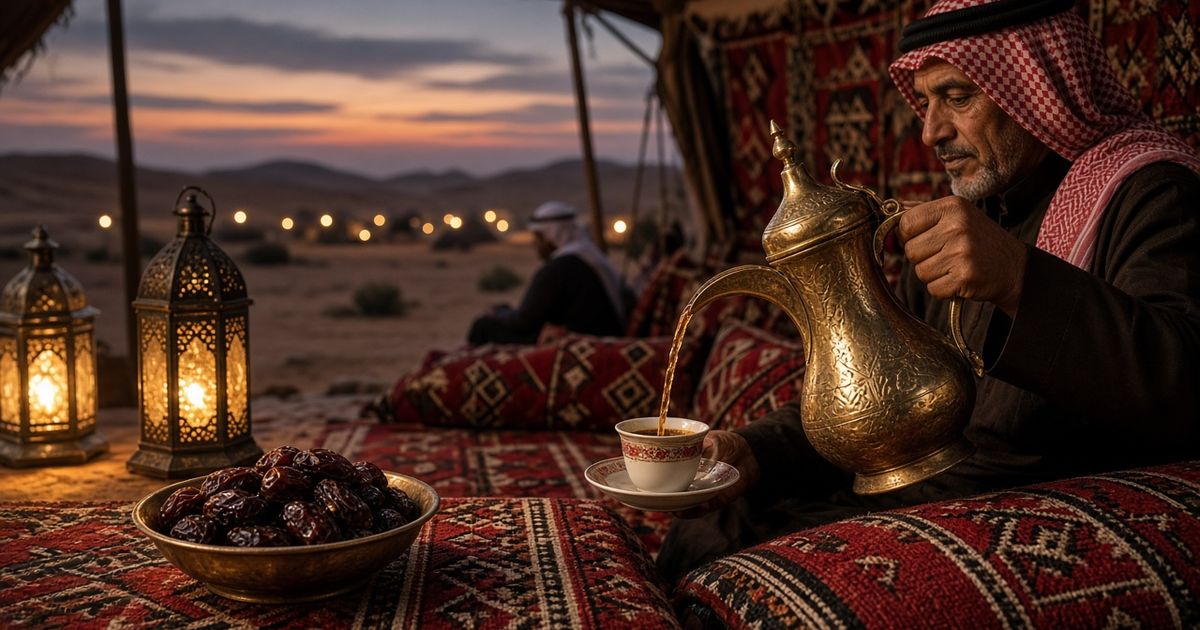
Culture & Nature
Bedouin Culture on a Dubai Desert Safari: Traditions, Food & History
Discover Bedouin culture on a Dubai desert safari: Arabic coffee, dates, majlis hospitality, Al Sadu weaving, falconry, Emirati food and what is authentic.
20 Oct 2026 · 6 min read
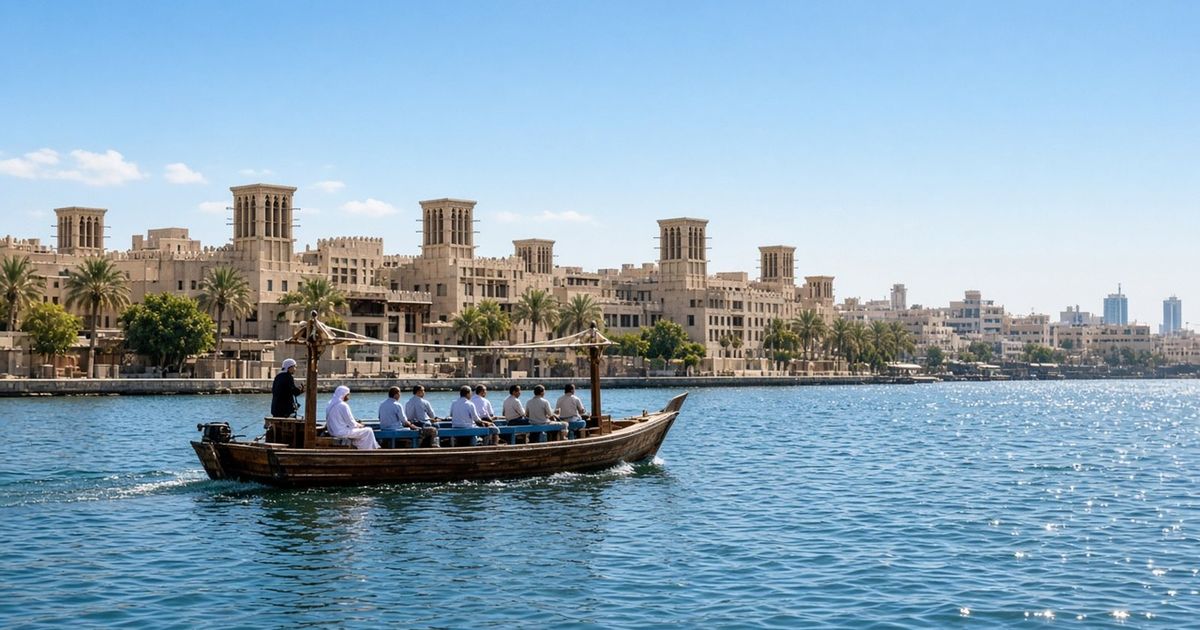
Culture & Nature
Old Dubai Guide: Al Fahidi Fort, Abra Rides, Gold and Spice Souks
Old Dubai guide: the newly reopened Al Fahidi Fort Museum, the AED 1 abra, the Gold and Spice Souks, Al Shindagha, a walking route, metro tips and etiquette.
25 Nov 2026 · 11 min read
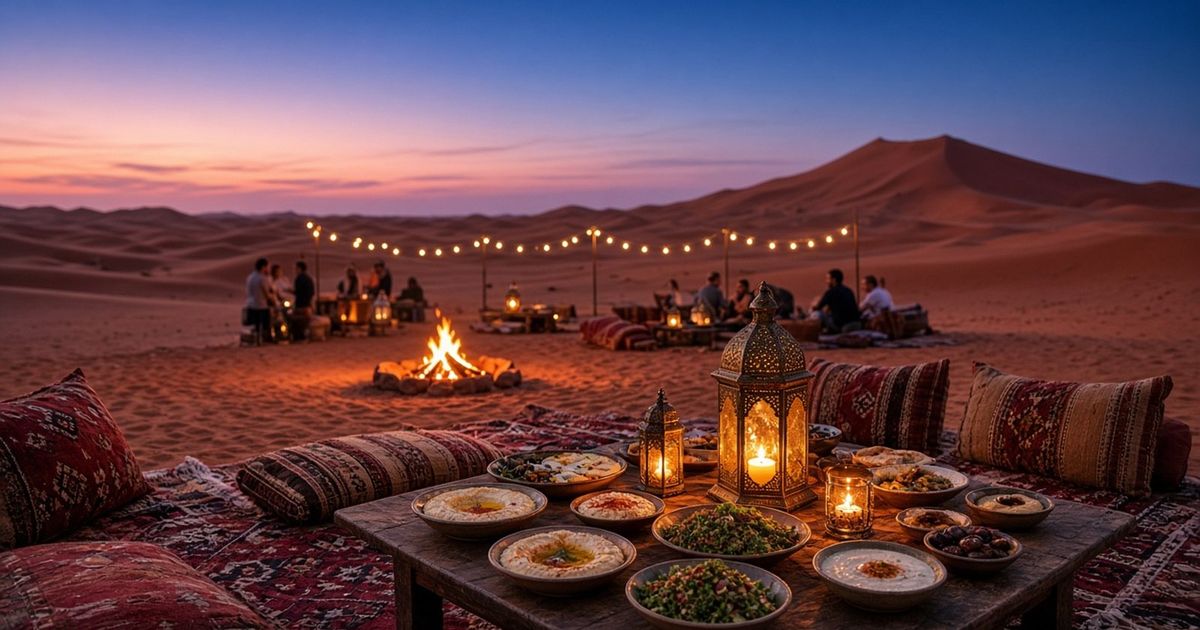
Experiences
Desert Dinner in Dubai: Al Hadheerah, Sonara Camp and Safari Camps Compared
Planning a desert dinner in Dubai? Compare Al Hadheerah, Sonara Camp, heritage Bedouin camps and safari BBQ dinners: food, shows, timings, dress code and tips.
3 Nov 2026 · 10 min read